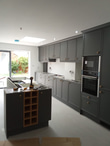
7 Essential Considerations for Your Kitchen Renovation
5/18/20258 min read


Define Your Budget
One of the most critical steps in planning your kitchen renovation is defining your budget. A clear financial outline ensures that you can effectively allocate resources and avoid overspending, which is a common pitfall in home improvement projects. Start by assessing your financial situation; take stock of your savings and determine how much you can realistically dedicate to the renovation. This includes not only the costs of materials and labor but also potential contingency funds for unexpected expenses that may arise during the renovation process.
When establishing a budget, it is essential to categorize your expenses. Create a list of priority areas, such as cabinetry, countertops, appliances, and flooring. By understanding where your money needs to go, you can make informed choices on where to splurge or save. For instance, if high-quality appliances are a priority, you may choose to opt for more budget-friendly cabinetry. Look into different pricing strategies that fit within your financial constraints; for example, consider purchasing materials during sales events or sourcing gently used items that meet your aesthetic needs without breaking the bank.
Another vital aspect of defining your budget is the incorporation of a contingency fund—typically 10-20% of the total renovation cost. This provision helps cover unexpected expenses like structural repairs or unforeseen issues with plumbing. By planning for these occurrences ahead of time, you can ensure that you have the necessary funds available, minimizing the chances of project delays or financial strain.
In conclusion, defining your budget requires careful consideration and planning. By assessing your finances, categorizing expenses, and allocating funds for contingencies, you can effectively create a budget that supports a successful and enjoyable kitchen renovation experience.
Identify Your Needs and Priorities
When embarking on a kitchen renovation, it is crucial to start with a clear understanding of your needs and priorities. This self-assessment process allows homeowners to align their renovation goals with their daily kitchen activities. Begin by considering what aspects of your current kitchen do not meet your expectations. Is there inadequate storage space for your cookware and pantry items? Are your appliances outdated or inefficient? Perhaps the layout hinders functionality, making meal preparation cumbersome. Identifying these specific issues will provide a foundation for your renovation plan.
Next, reflect on your lifestyle and cooking habits. Individuals or families that frequently host gatherings should prioritize spacious countertops and seating areas, while those who primarily cook for themselves might focus on efficient appliance layouts and compact designs. Understand how often you utilize various kitchen items and appliances, as this can guide decisions on storage solutions. For example, if you are an avid baker, you may need ample counter space and a dedicated area for baking supplies.
Furthermore, consider family dynamics when assessing your kitchen needs. If you have children, safety features and accessible storage solutions are paramount. Multi-functional spaces, where children can engage in activities while you cook, may enhance your kitchen's usability. Evaluate the number of people who typically use the kitchen simultaneously to ensure that there is adequate space and flow for movement.
Lastly, rank these needs according to their importance. This prioritization helps in making practical decisions during your renovation process. Understanding which requirements are essential versus those that would be beneficial but not critical can help streamline your renovation choices, ensuring that both your immediate needs and long-term aspirations for your kitchen are met effectively.
Choosing the Right Design Style
When embarking on a kitchen renovation, one of the most critical steps is selecting the right design style. The overall aesthetic of your kitchen is profoundly influenced by this choice, which can harmonize with your home’s architecture and reflect your personal preferences. Several design styles are prevalent, each offering unique characteristics and advantages.
The modern style is characterized by clean lines, minimalistic décor, and a focus on functionality. This approach often features a neutral color palette, sleek cabinetry, and stainless steel appliances, making it an excellent choice for those who appreciate simplicity and contemporary trends. In contrast, traditional design is rooted in classic aesthetics, emphasizing ornate details, rich wood materials, and warm color schemes. This style is ideal for individuals seeking a timeless appeal that resonates with traditional craftsmanship.
Farmhouse design has gained significant popularity, characterized by its cozy and welcoming ambiance. This style often incorporates reclaimed wood, open shelving, and vintage accents, making it perfect for creating a rustic charm in your kitchen. On the other hand, if you lean toward a creative expression, the eclectic style might be the right fit. Mixing various elements, patterns, and colors, this design encourages individuality and personalization, allowing for a truly unique space.
When choosing a style, consider your home’s existing architecture and the environment you wish to create. It’s vital to assess how your selected design will integrate with other areas of your home and reflect your lifestyle. Boundaries should not constrain creativity, but maintaining coherence with the overarching theme of your living space will ensure a harmonious design. Ultimately, selecting the right kitchen design style can enhance not only the beauty of your kitchen but also its functionality, serving your needs for years to come.
Plan for Layout and Space Optimization
The layout of your kitchen is a pivotal factor when considering a renovation, as it significantly influences both functionality and efficiency. A well-planned layout not only enhances the aesthetic appeal of the kitchen but also facilitates meaningful interaction among kitchen users, making it essential to choose the right configuration based on individual needs.
Common kitchen layouts include L-shaped, U-shaped, galley, and open-concept designs, each offering unique advantages that cater to varying kitchen sizes and user habits. The L-shaped layout is highly popular for its versatility, providing ample counter space, particularly in smaller kitchens, while also enabling smooth movement between different work areas. Alternatively, U-shaped kitchens typically provide maximum storage and countertop space, making them ideal for larger families or frequent entertainers.
The galley layout, characterized by parallel countertops, is exceptionally space-efficient, optimizing narrow areas while ensuring that the kitchen workflow remains seamless. Additionally, the open-concept kitchen has gained traction for creating fluid transitions between the kitchen and living spaces, perfect for social media-savvy households that frequently host gatherings.
A fundamental aspect of kitchen layout planning is the concept of the kitchen work triangle—a design principle that emphasizes the ergonomic relationship between the stove, sink, and refrigerator. This triangle is crucial for maintaining an efficient workflow, enabling users to move effortlessly between these essential areas. However, achieving this balance may be especially challenging in smaller kitchens where space is limited.
To maximize usability in compact layouts, consider incorporating multi-functional furniture such as a kitchen island that can serve as both a prep area and dining space. Utilizing vertical storage solutions, like shelving and cabinets that reach the ceiling, optimizes storage while keeping the floor space clear. Ultimately, careful planning of your kitchen layout and effective space optimization techniques are indispensable for creating a functional and inviting space that meets your culinary needs.
Selecting Quality Materials and Appliances
When undertaking a kitchen renovation, the selection of quality materials and appliances is paramount to achieving a durable and aesthetically pleasing space. Investing in high-grade materials for countertops, cabinets, and flooring can significantly enhance not only the longevity of your kitchen but also its overall visual appeal. One of the most critical aspects to consider is the material's resilience to everyday wear and tear, especially in a high-traffic area like the kitchen.
For countertops, options such as quartz, granite, and solid surface materials are popular due to their durability and ease of maintenance. Quartz, for example, is engineered for high performance and requires minimal upkeep, making it an ideal choice for those who prioritize functionality without compromising style. When selecting cabinets, consider solid wood options, which not only provide strength but can also be refinished or painted, offering flexibility in style over time. Additionally, custom cabinetry may also be beneficial, as it allows for personalized storage solutions that maximize space efficiency.
Flooring is another crucial area where quality cannot be overlooked. Materials like ceramic tiles, hardwood, and luxury vinyl tile offer different aesthetics and durability levels. Hardwood provides warmth and timelessness, while ceramics are lauded for their water-resistant properties, making them suitable for kitchens. Each material offers unique advantages depending on your lifestyle and maintenance preferences.
In terms of appliances, investing in energy-efficient models can significantly impact your long-term utility costs. Modern appliances often come with Energy Star ratings, indicating that they meet energy efficiency guidelines set by the U.S. Environmental Protection Agency. Moreover, don’t forget to consider warranty coverage; quality appliances typically come with extended warranties, providing reassurance and added protection. By prioritizing quality in your selections, you'll not only enhance the kitchen's function but also its design, leading to a successful renovation.
Consider Lighting and Ventilation
When embarking on a kitchen renovation, the roles of lighting and ventilation are crucial elements that should not be overlooked. Proper lighting enhances the functionality and aesthetics of the kitchen, while effective ventilation ensures a healthy environment. There are three primary types of lighting to consider: ambient, task, and accent.
Ambient lighting provides the general illumination necessary for navigating the space and performing everyday tasks. This type of lighting can be achieved through ceiling-mounted fixtures, chandeliers, or recessed lights, ensuring the kitchen is well-lit at all times. Task lighting, on the other hand, is designed to illuminate specific areas that require concentrated efforts, such as countertops and cooking stations. Under-cabinet lighting, pendant lights over an island, or track lighting can serve as effective solutions to enhance visibility during meal preparations.
Accent lighting allows homeowners to highlight particular design features, such as artwork or unique cabinetry. This can add depth and visual interest to the kitchen, creating a more inviting atmosphere. When selecting lighting fixtures, consider energy-efficient options to minimize electricity costs while maximizing brightness.
In addition to lighting, proper ventilation is essential for maintaining air quality and comfort. Cooking can produce heat, smoke, and odors that need to be expelled from the kitchen. One popular solution is the installation of a range hood, which effectively removes cooking emissions and keeps the kitchen environment pleasant. Furthermore, natural light should not be underestimated; incorporating windows or skylights can significantly enhance the ambiance, making the space feel larger and more connected to the outside world.
Incorporating these elements of lighting and ventilation into your kitchen renovation will not only improve functionality but also create a welcoming space that fosters creativity and enjoyment in meal preparation.
Hire the Right Professionals
Choosing the right professionals for your kitchen renovation is crucial to achieving the desired results efficiently and effectively. A successful renovation hinges on the expertise and reliability of the individuals involved, which is why it is essential to conduct thorough research before making a decision. Begin by identifying the specific specialists you require, such as contractors, interior designers, electricians, and plumbers, all of whom will play a pivotal role in the renovation process.
When searching for candidates, start with referrals from friends, family, or online platforms dedicated to home improvement. Once you have compiled a list of potential professionals, evaluate their qualifications and experience by checking references. Reach out to previous clients to inquire about their experiences and satisfaction levels. Ask pertinent questions regarding the timeline, budget adherence, and the quality of workmanship they received. Additionally, take the time to review each candidate’s portfolio to assess the styles they have worked with and their capability to execute your vision.
It is also essential to understand the service agreements and contracts provided by the professionals you are considering. Carefully review the terms, including payment schedules, project timelines, and scopes of work, to prevent any misunderstandings later on. Discuss any concerns or questions you may have upfront to ensure clear communication throughout the renovation process.
Moreover, verifying that the professionals you hire are appropriately licensed and insured can safeguard you against potential liabilities. This step not only ensures compliance with local regulations but provides you with peace of mind that you are working with qualified entities. By dedicating time to find and vet the right professionals, you will significantly increase the chances of a seamless and successful kitchen renovation.